
The Simple Skincare Routine That Actually Works for Mature Skin
In This Article →
In This Article

If you've ever wondered why one product works beautifully for someone else but not for you, the answer is usually not the product. It's the routine.
The good news is, an effective skincare routine can be built with a three-step system: Cleanse, Treat, Moisturize & Protect. This sequence is not arbitrary. Each step is designed to build on the last, so that your skin is properly prepared to receive and benefit from what comes next. When the steps are in the right order, and the products are right for your skin, the results compound over time— for healthy, balanced, visibly younger-looking skin.
The most sophisticated skincare regimen in the world is ineffective if it's too complicated to follow consistently. Three intentional steps, done well and in sequence, produce better long-term results than ten steps done inconsistently or in the wrong order. This article explains what each step does, why sequence matters, and what to look for at every stage.
Why a Simple Skincare Routine Works Better Than a Complicated One
The skincare industry has a complicated relationship with simplicity. More products, more steps, more ingredients — more results, the logic goes. The evidence says otherwise.
Over-treating your skin disrupts its natural protective barrier. When that barrier is compromised, skin becomes reactive, dry, and more prone to the very concerns you're trying to address — dullness, uneven tone, fine lines, and sensitivity. Consistency with a well-designed minimal routine outperforms an elaborate one followed sporadically.
Three intentional steps — cleanse, treat, moisturize & protect — done every day, deliver cumulative results. Not overnight, but real. Most people notice improved texture and hydration within two to four weeks; changes in tone, firmness, and dark spots typically become visible after six to eight weeks of consistent use.
Three Steps. Every Day. Real Results.

CLEANSE
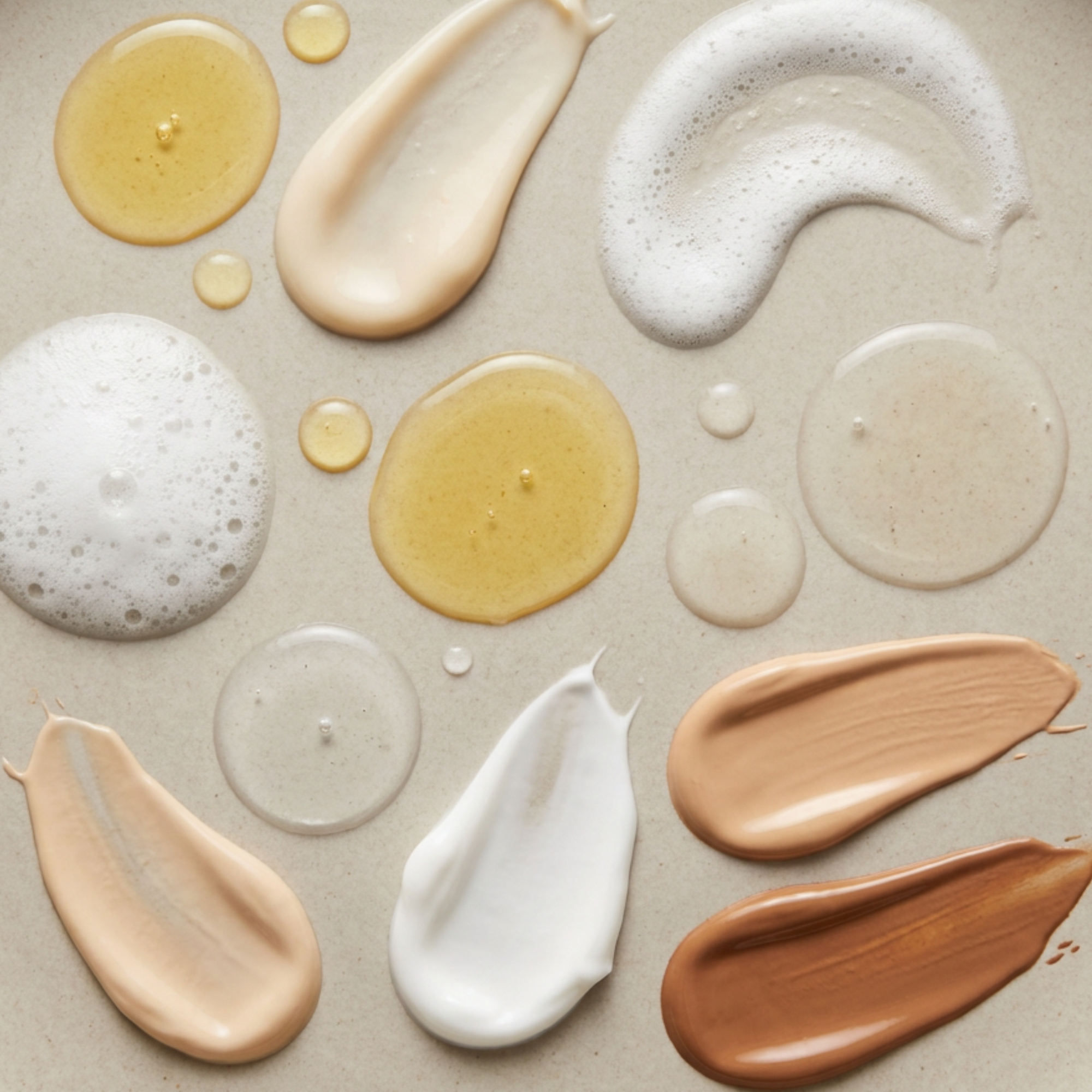
Oil-based cleansers remove sunscreen, makeup, and daily buildup without stripping your skin's natural barrier. A second cleanse with a gentle gel or foam removes any remaining residue, leaving skin balanced and ready to absorb what comes next. The right cleanse is not just clean skin — it is the foundation every other step depends on.

TREAT
This is where your routine becomes personal. Active ingredients like retinol, niacinamide, and peptides address your specific skin concerns — fading dark spots, building collagen, firming skin, and strengthening your natural barrier. Physician-formulated to work together, not against each other, so every ingredient in your routine has a reason to be there.

MOISTURIZE & PROTECT
The final step does two things: it locks in everything your cleanse and treatment steps delivered, and it defends your skin against what the environment takes away every day. A hydrating toner draws moisture in. A moisturizer seals it there. And a broad-spectrum SPF ensures that the results you are building are never undone by daily UV exposure. This is how a routine compounds over time.
Step One: How to Cleanse Your Skin the Right Way
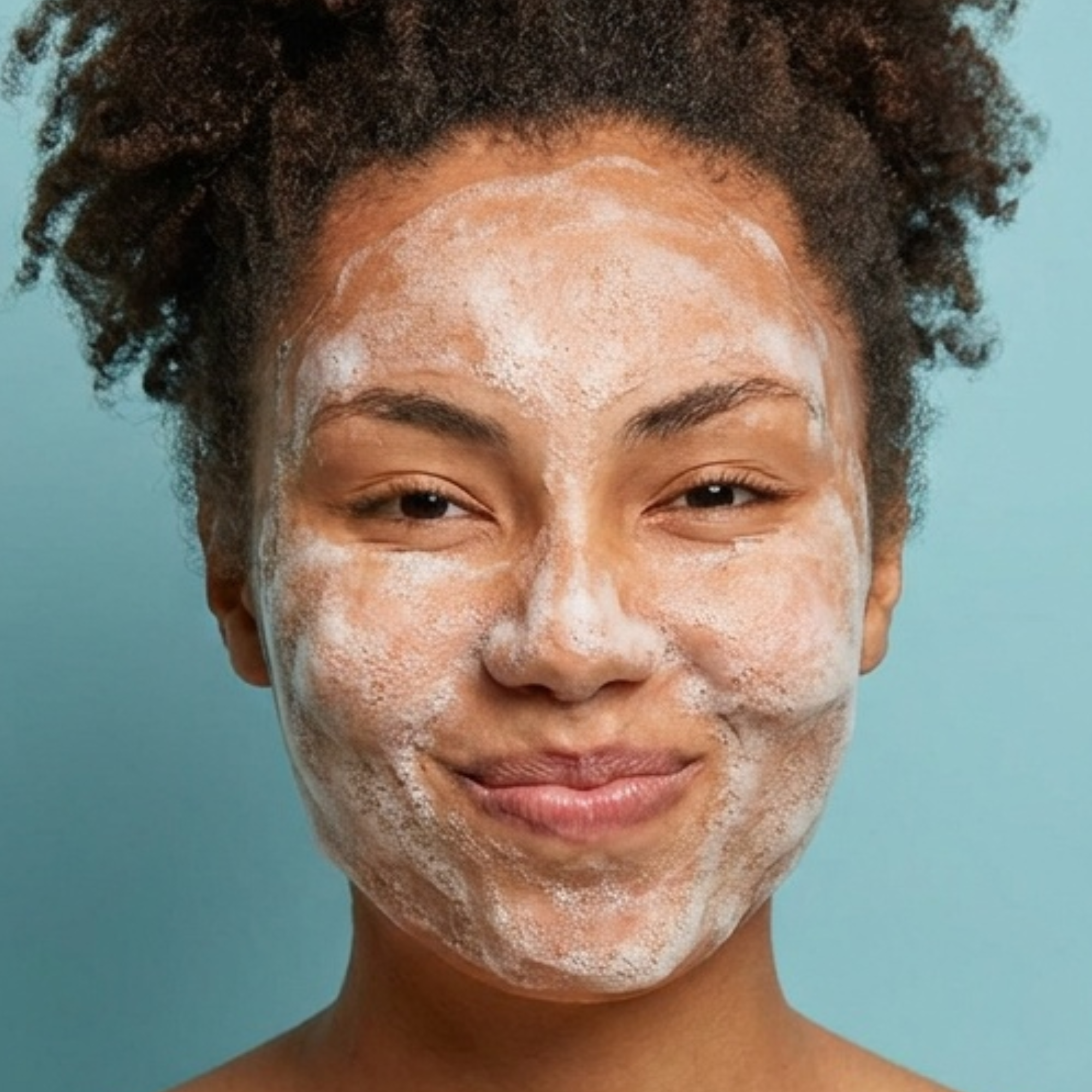
Most people think of cleansing as the simple part of the routine: wash your face, rinse, move on. But what you wash with, and how you do it, sets the tone for everything else.
Your skin has a natural protective barrier — called the acid mantle — that keeps moisture in and irritants out. Washing with harsh soaps or alkaline cleansers disrupts this barrier. The "squeaky clean" feeling some cleansers leave behind is actually a sign of over-stripping. For sensitive or mature skin, this can trigger dryness, tightness, and inflammation. A gentle, pH-balanced, fragrance-free cleanser preserves your skin's natural moisture barrier — leaving skin feeling clean, calm, and balanced, never tight or dry.
What Is Double Cleansing — and Do You Need It?
I recommend double cleansing: starting with an oil-based cleanser, followed by a gentle water-based cleanser. The logic is straightforward. Oil dissolves oil. An oil-based cleanser binds with the sebum, sunscreen residue, and makeup that accumulate on your skin throughout the day, lifting them away without stripping. The second step — a pH-balanced gel or foam cleanser — removes any remaining water-soluble debris and leaves skin balanced and ready for treatment.
Slow down. Take a full 60 seconds to gently massage eachcleanser into your skin. Use the oil cleanser as a moment for a daily facial massage. Work the product into your pores. This is not the step to rush — yourskin is worth five minutes a day.
The result is a genuinely clean, balanced surface where serums and treatment products can penetrate and work effectively. Without this foundation, even the most powerful actives are working at a disadvantage.
What to Look for in a Cleanser — and What to Avoid
Look for:
-
Glycerin — attracts moisture to the skin as you cleanse;
-
Vitamin B5 (Panthenol) — supports hydration and calm;
-
pH-balanced formulas — typically between 4.5 and 6.5.
Avoid:
-
Sulfates (sodium lauryl sulfate, sodium laureth sulfate) — foaming agents that strip the skin's natural oils and compromise the barrier;
-
Fragrance — one of the most common causes of skin sensitivity reactions; unnecessary in a well-formulated cleanser. Clean, fragrance-free formulas are not a compromise — they are a standard worth holding.
Step Two: How to Treat Your Specific Skin Concerns
After cleansing, your skin is primed to receive active ingredients. This is where the routine becomes personal — and where the right ingredients make all the difference.
As skin matures, your skincare needs shift. Cell turnover slows, collagen production decreases, and the concerns that emerge — dark spots, loss of firmness, uneven tone, fine lines — require targeted ingredients, not generic formulas. Here is what the evidence supports, and why we formulate our serums with these key ingredients.
What Does Retinol Do for Mature Skin?
Retinol has been used clinically for over 40 years — first to treat acne, then recognized for its broader effects on skin renewal. It works by accelerating cell turnover, helping the skin shed older, discolored cells and replace them with newer cells for a more even tone.
For mature skin, retinol delivers across multiple co ncernssimultaneously:
-
Dark spots and hyperpigmentation — accelerated cell turnover brings newer, more even-toned skin to the surface;
-
Fine lines and firmness — stimulates collagen production for visibly firmer, plumper skin over time;
-
Skin texture — promotes exfoliation to reduce roughness and uneven texture;
-
Pore clarity — unclogs pores and helps regulate oil production.
One important note: retinol can cause sensitivity, especially when you first begin using it. Start slowly, use it at night, and always follow with SPF in the morning. Introduce it gradually and monitor your skin's response.
Why Niacinamide Works for Sensitive and Mature Skin
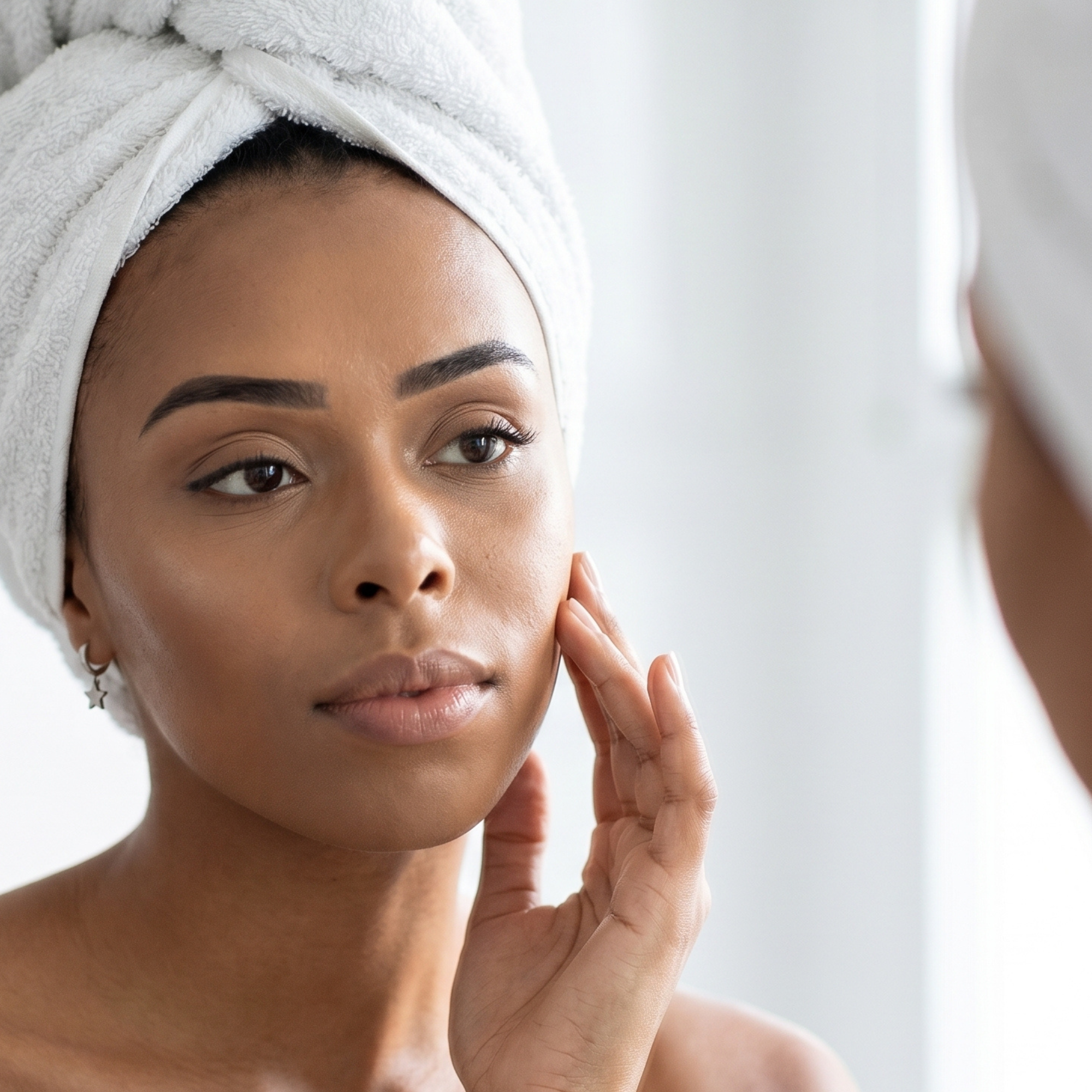
Niacinamide (Vitamin B3) is one of the most versatile and well-tolerated active ingredients in skincare. Its primary function is strengthening the skin's natural barrier by stimulating ceramide production. Ceramides are the essential lipids that hold the skin's protective layer together. When ceramide levels are adequate, skin is plump, hydrated, and resilient. When depleted, the barrier weakens and skin becomes reactive, dry, and prone to inflammation.
Niacinamide also inhibits the transfer of melanin to skin cells — making it effective for fading existing dark spots and preventing newones from forming. It regulates oil production, calms redness, and supports collagen synthesis, all without the sensitivity risk that comes with stronger actives like retinol. For most skin types, it can be used morning and night.
What Vitamin C Does for Dark Circles and Brightening
The skin around the eyes is thinner and more delicate than the rest of the face, and it often shows the effects of stress, sleep, and time earliest. Vitamin C is a powerful antioxidant that brightens existing discoloration and neutralizes free radicals that accelerate aging. When combined with hydrating ingredients like ceramides or shea butter, Vitamin C formulations also improve elasticity, reducing the appearance of fine lines around the eyes.
Diet supports this work from the inside: foods rich in Vitamins C, E, and K contribute to skin repair and resilience, complementing what topical treatments deliver on the surface.
How Peptides Help Firm Aging Skin
Peptides are the gentlest path to firmer, smoother skin. Unlike retinol, they work without an adjustment period — no peeling, no purging, no sensitivity. This makes them particularly valuable for mature skin, and an excellent option for sensitive skin that doesn't yet tolerate stronger actives.
Research has shown the following peptides to be particularly effective for mature skin:
-
Palmitoyl Tripeptide-1 — stimulates collagen production and visibly improves the appearance of fine lines and wrinkles;
-
Palmitoyl Tetrapeptide-7 — reduces the visible effects of inflammation-related damage, supporting more even tone over time;
-
Acetyl Hexapeptide-8 — relaxes the appearance of expression lines by reducing repetitive facial muscle contractions. Sometimes referred to in clinical literature as a topical alternative to Botox, it delivers visibly smoother skin over time without needles or downtime.
Not a peptide, but a natural partner to them: Hyaluronic Acid is a glycosaminoglycan — a naturally occurring substance found in your own skin — that draws and holds moisture at a cellular level, binding up to a thousand times its weight in water. We include it here because it works in concert with peptides to amplify their firming results: skin that is well-hydrated responds better to collagen-building ingredients, and the combination delivers results that are not just firmer but visibly plumper and more hydrated.
Step Three: How to Moisturize and Protect Your Skin
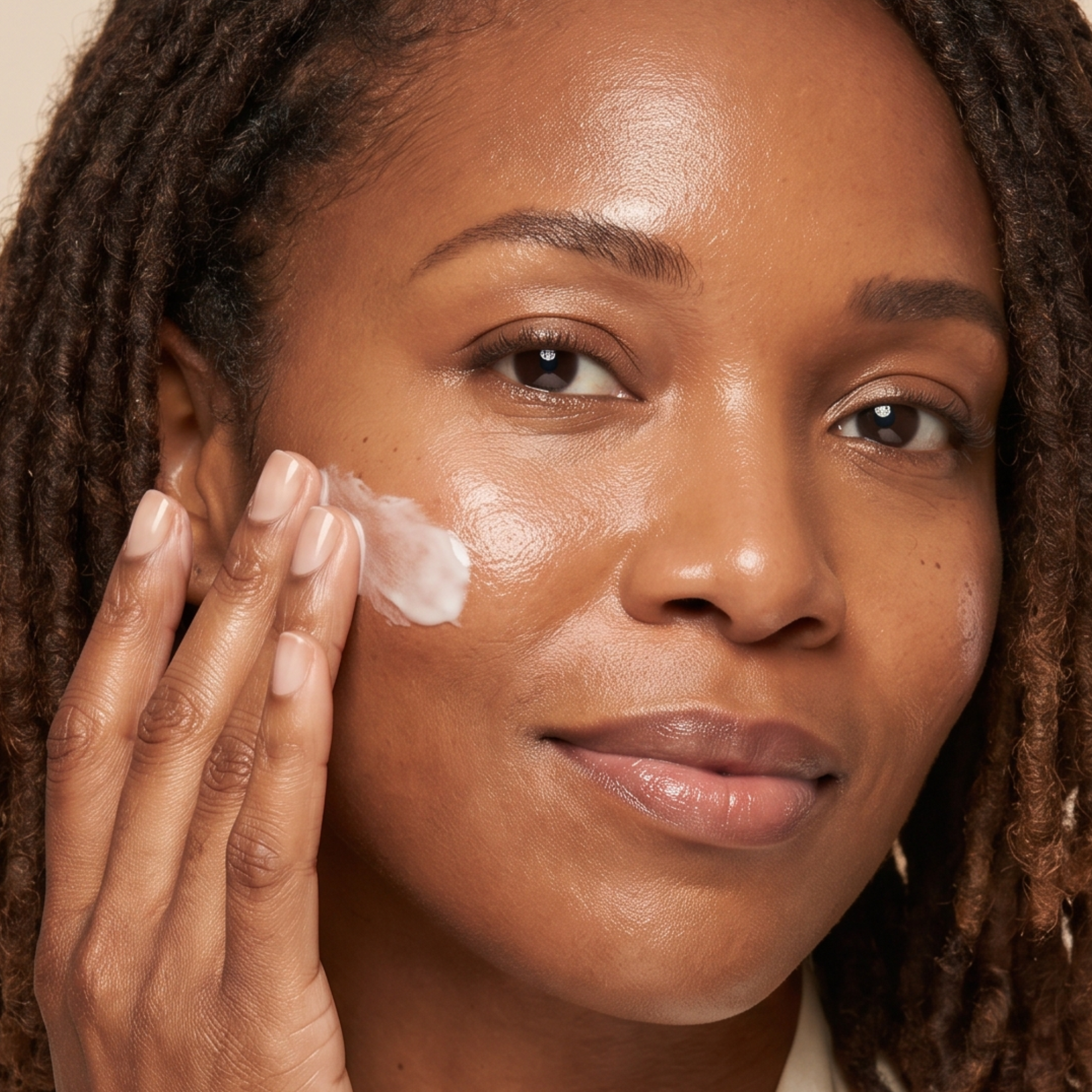
Moisturizing is the final step — and it does two things: it locks in what the previous steps have delivered, and it defends the skin against what the environment is constantly taking away.
What Causes Dehydrated Skin?
Dehydrated skin is more common than most people realize, and it can affect any skin type — including mature skin that appears "dry." For many people, the root cause is a compromised skin barrier. When the barrier is weakened — by harsh ingredients, over-cleansing, or conditions like atopic dermatitis — the skin loses its ability to retain moisture effectively, regardless of how much water you drink or how often you moisturize. Rebuilding and protecting that barrier is the foundation of lasting hydration.
Environmental factors compound the problem, and winter is a particularly challenging season for skin. The combination of cold air outside and dry heated air indoors creates conditions where moisture evaporates from the skin's surface faster than it can be replenished. The following accelerate that loss:
-
A compromised skin barrier — the most common and overlooked cause of chronic dehydration, particularly in atopic or sensitive skin;
-
Airline travel — cabin air humidity typically drops to below 20 percent during flight, significantly lower than what skin needs to stay hydrated; even a short flight can leave skin feeling tight, dull, and depleted;
-
Indoor heating and air conditioning — artificial environments strip ambient moisture, pulling hydration from the skin's surface;
-
Long, hot showers — hot water breaks down the skin's protective barrier, increasing water loss;
-
Excess caffeine and alcohol consumption — both have a dehydrating effect that shows up directly in the skin.
The result is skin that looks dull, feels tight, and shows fine lines more readily than it otherwise would.
The Right Way to Moisturize
Effective moisturizing is a two-part process: first, draw water into the skin; then seal it there.
A toner with hyaluronic acid, applied to damp skin immediately after cleansing, is one of the most efficient ways to boost moisture levels. Hyaluronic acid is naturally found in skin and can bind water, drawing it into your skin. Layering a cream or oil on top seals that hydration in and prevents water loss throughout the day or night.
Why SPF Is Non-Negotiable
During the day, SPF protection is not optional — it is the step that makes everything else work.
Sun exposure is the leading preventable cause of dark spots, uneven tone, and accelerated aging. It also directly undoes the work of your treatment products: retinol, Vitamin C and niacinamide can reduce existing hyperpigmentation, but unprotected UV exposure from the sun restarts the cycle, and undoes all the progress your've achieved from your serums. A broad-spectrum SPF is how you protect the investment you've made in your routine.
What "Clean, Simple and Effective" Actually Means
AbsoluteJOI Skincare was founded on three principles — and they are worth understanding, because they shape every formulation decision we make.
CLEAN means health-first. It means formulating without ingredients that pose a known or credible risk, and applying that standard to ingredients where the research simply hasn't been done yet. It also means formulating for sensitive skin -- even when the ingredients are considered safe. Fragrance is the clearest example. It is one of the most common causes of skin reactions and is unnecessary for skin benefits from our products. Clean products do not ask your skin to tolerate something it doesn't need.
SIMPLE means a routine you can sustain. We focus on three intentional steps, done well and in sequence, to offer better long-term results because ten steps done inconsistently or in the wrong order, will not give you the healthy skin you are working for.
EFFECTIVE means science-backed, physician-formulated products — built on clinical evidence, not trends. Every ingredient we use has a reason to be there, and that reason is backed by science.
Frequently Asked Questions About Skincare Routines
-
Cleanse first, then treat with active serums or oils, then moisturize and protect. This sequence matters: cleansing prepares the skin to receive actives, and moisturizer seals in what the treatment step delivers. Applying products out of order reduces their effectiveness.
Where To Start
The AbsoluteJOI system gives you everything you need in three intentional steps — physician-formulated, fragrance-free, and built for skin that deserves more than a generic routine.
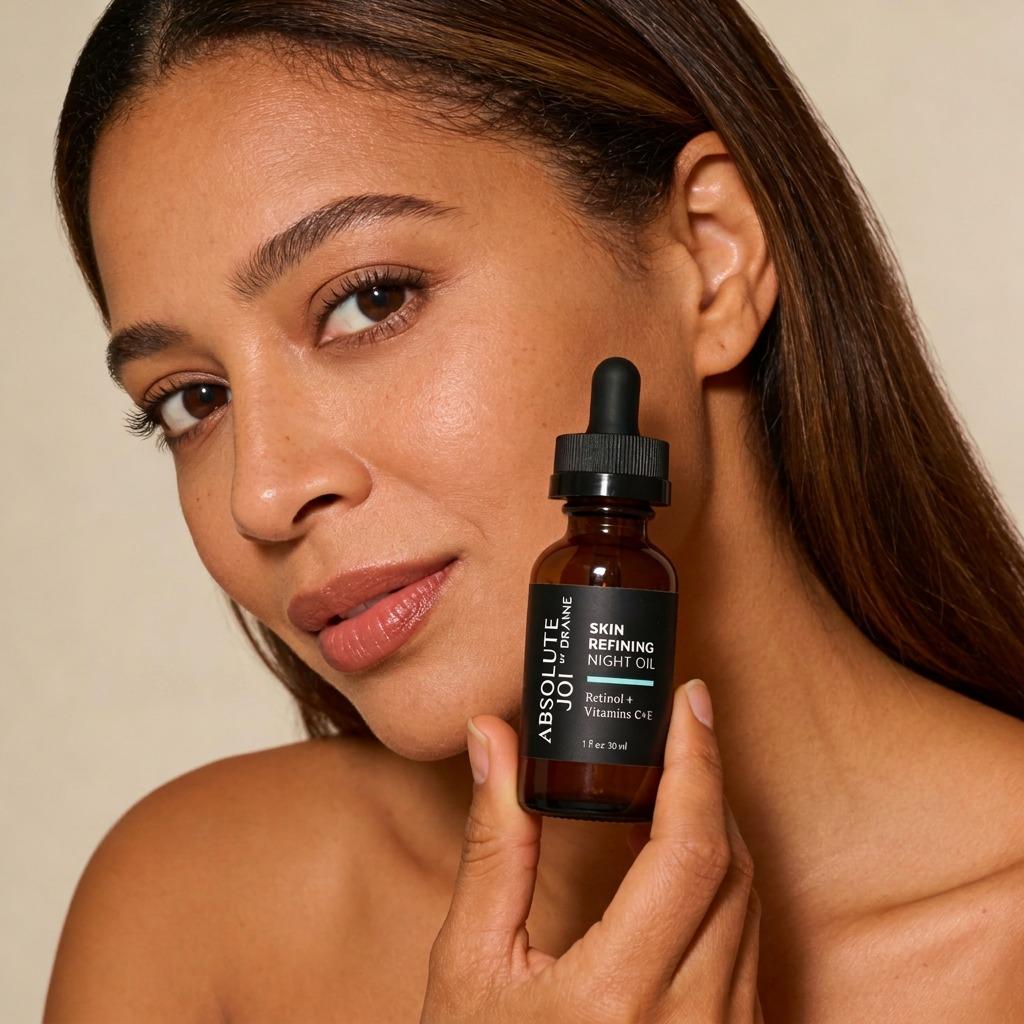
Start with the product that started it all: our Skin Refining Night Oil — a treatment serum pairing retinol, vitamin C, and skin-nourishing oils to address dark spots, firmness, and texture in a single step.


AbsoluteJOI Skincare
by Dr. Anne
AbsoluteJOI is a physician-founded skin care brand with a science-based approach to the needs of people over 35 with all skin types and tones. Developed by physician researcher, Dr. Anne Beal, our products are formulated and tested for sensitive skin, while addressing dyspigmentation, the first sign of aging for many people. Our philosophy is not to focus on anti-aging, but to celebrate all ages and stages and to help our customers age beautifully, while celebrating the confidence and wisdom they’ve gained with time.
Each product combines natural and clinically effective ingredients for healthy skin. We use NO parabens, phthalates, sulphates, or skin bleach. And we use no perfumes or dyes to offer pure and clean products good for all skin types, including sensitive skin.
RELATED PRODUCTS

Unavailable

Aqua Infusion Skin Cream
READ MORE


KEEP IN TOUCH
Be the first to know about our latest news, blogs and promotion.

© Copyright. All rights reserved.